
You Build Elevators. We Build Your Supply Chain.
You design and manufacture complete elevator systems. You have your own production lines, your own engineering team, and your own quality standards. But no manufacturer makes every component in-house. Traction motors, controller boards, safety gears, ARD units, door mechanisms, these come from specialized suppliers. The question is: who do you trust when your primary source hits a delay, or when you need a second supplier to reduce risk?
Secondary supply chain redundancy.
You have a primary supplier for your controller boards. What happens when they have a 6-week production backlog? You either delay your own shipments or you find a backup. We maintain stock and manufacturing relationships so you have a second source ready when you need it, not after you've already missed your deadline.
Batch consistency across shipments.
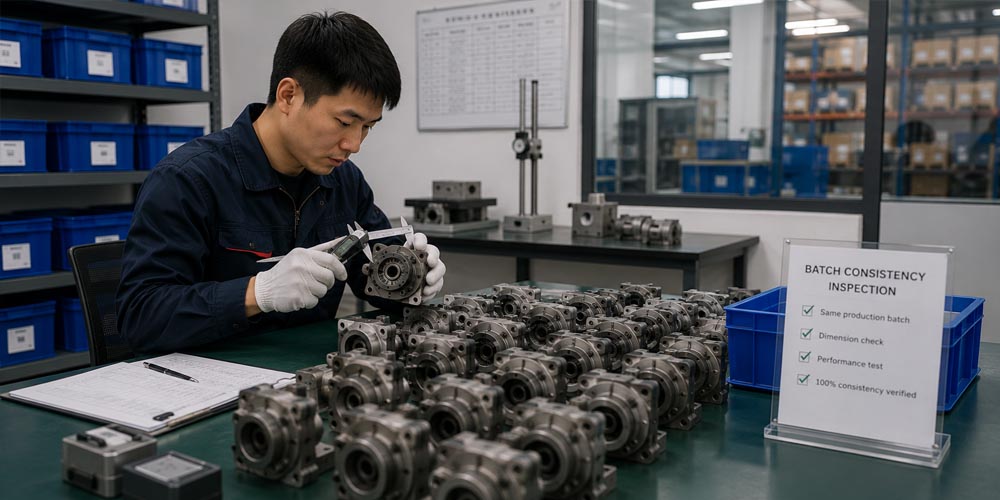
When you order 500 safety gears, you need all 500 to perform identically. Not 490 that pass and 10 that drift out of spec. We source from the same production batch when possible and verify consistency before shipping. Your QA team has enough to deal with without chasing supplier variance.
Hard-to-source component finding.
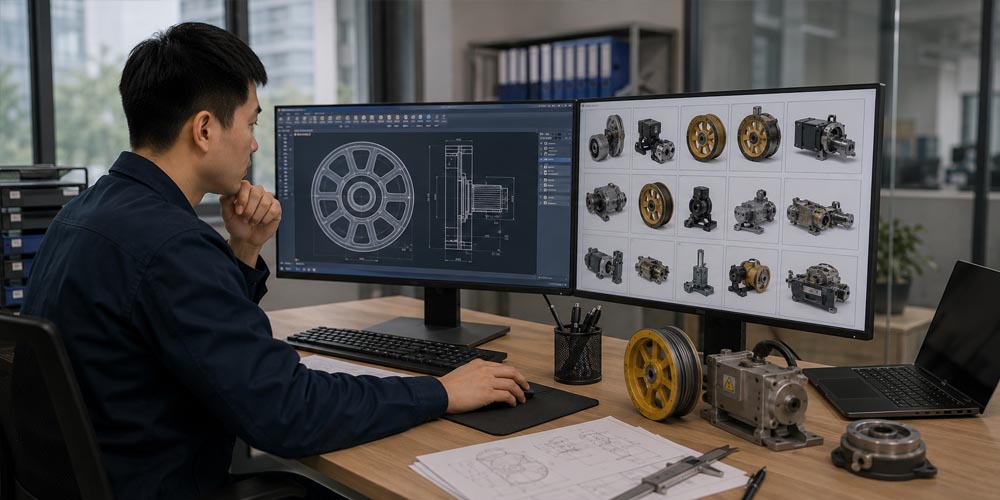
Your new model needs a traction sheave with a diameter that's not standard. Your door operator needs a specific mounting pattern. We search our network to locate components that match your spec. If it's out there, we'll find it.
Why Manufacturers Use a Secondary Source?
It's not about replacing your primary supplier. It's about not being dependent on one.
Your primary source has a production delay. We ship from stock.
You're scaling up and one supplier can't keep up. We fill the gap.
You need a component your primary source doesn't make. We find it.
You're quoting a new project and need pricing fast. We turn quotes around in one business day.
How to Start
1. Share your component specifications and current supply gaps.
2. We confirm sourcing capability, lead times, and documentation.
3. Place a sample batch to verify quality and spec compliance.
4. Set up ongoing supply terms with scheduled or on-call delivery.

+86 18678392390


Fuji Building, Shuntai Square, Hi-tech Zone, Jinan, Shandong, China